
Society News Now – October 2026
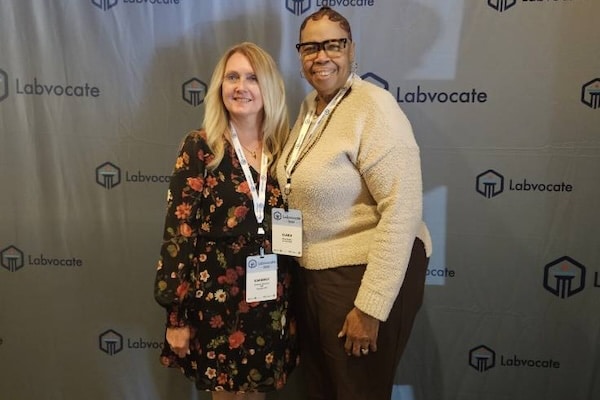
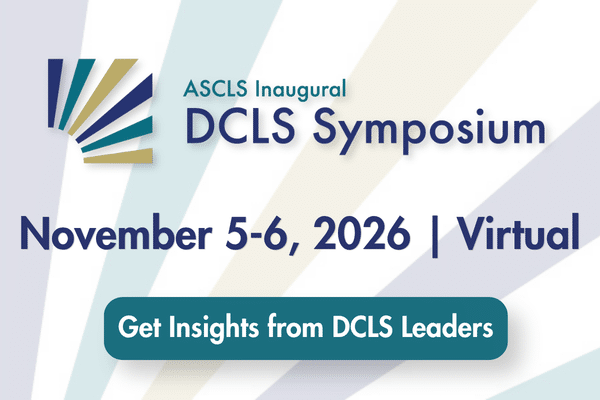
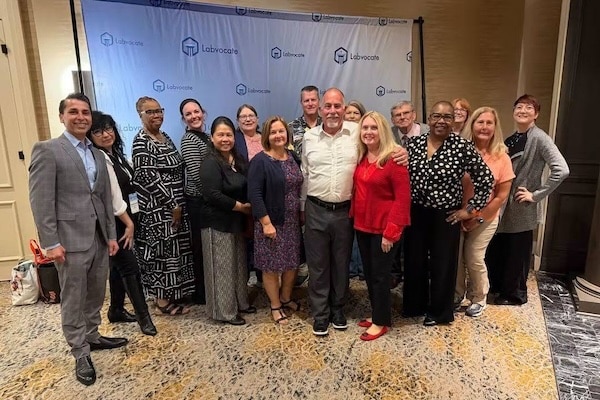
CMS Proposes Changes to Personnel Regulations | Labvocates Gather for 2026 Symposium | Public Health Webinar on Cyclospora Outbreak Response | From the Bench to Leadership | Get Insights from DCLS Leaders | Get Ready…


CMS Proposes Changes to Personnel Regulations | Labvocates Gather for 2026 Symposium | Public Health Webinar on Cyclospora Outbreak Response | From the Bench to Leadership | Get Insights from DCLS Leaders | Get Ready…
ASCLS Provides Expert Input on Future CLIA Regulations | 2026 Labvocate Symposium Early Registration Discount Ends Monday | From the Bench to Leadership | Get Insights from DCLS Leaders | Share Your Experiences and Expertise…
CMS Request for Information | Maintain Your Certification Stress-Free | 2026 Labvocate Symposium | 2026 Emerging Laboratory Managers Collaborative Conference | Inaugural Doctorate in Clinical Laboratory Science (DCLS) Symposium | New Products in ASCLS Store…
ASCLS Membership Expires July 31 | Share Your Perspectives with the Department of Labor | Registration Open for Fall Events: Labvocate Symposium, Emerging Laboratory Managers Collaborative Conference, and New Doctorate in Clinical Laboratory Science (DCLS)…